

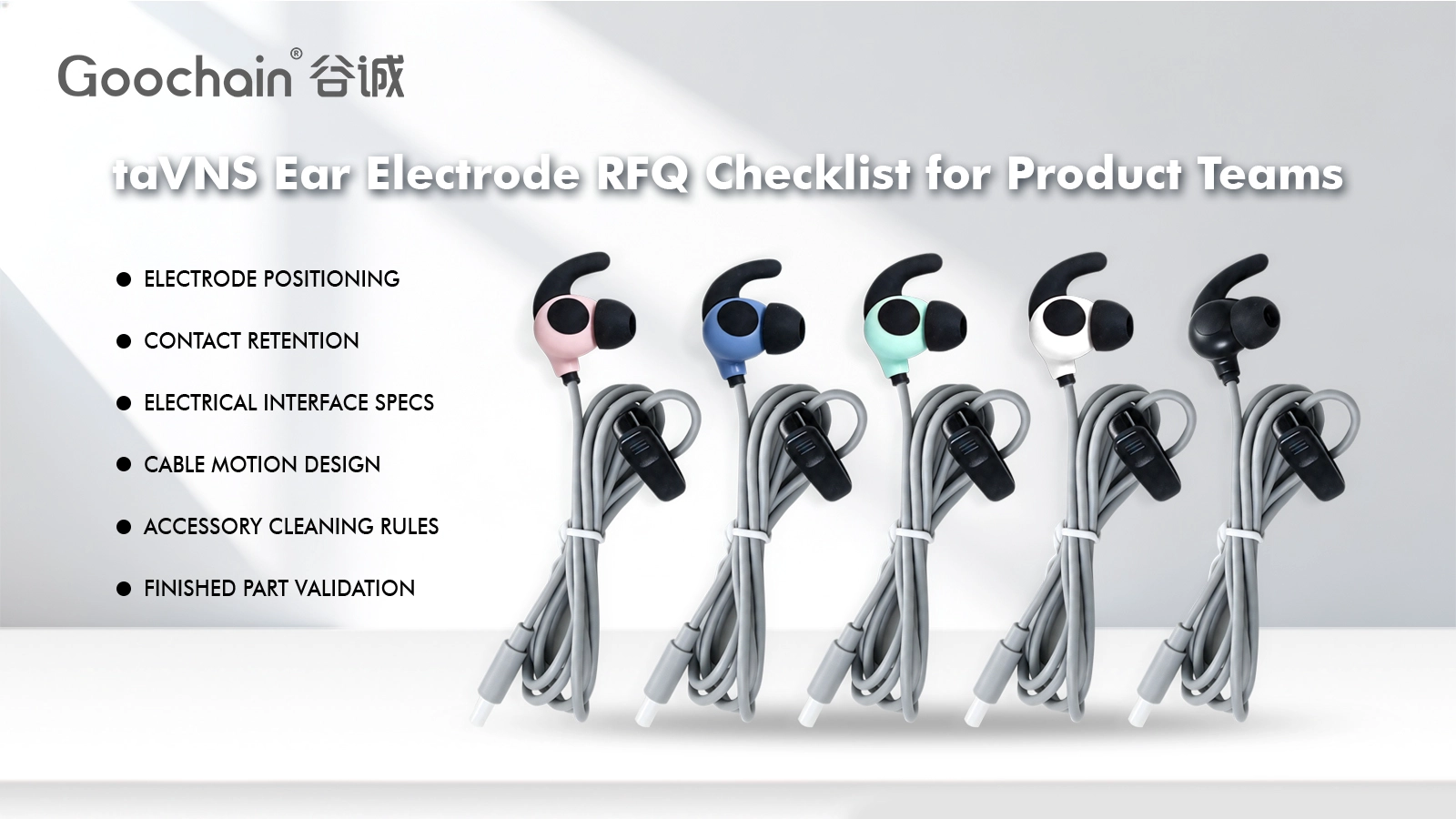
A photo, target price and annual quantity are not enough for an accurate taVNS ear electrode quotation. The supplier also needs to understand where the electrode sits, how contact is maintained, how it connects to the device, how the cable moves, what lifecycle is expected and which quality documents are required.
A complete RFQ helps both sides separate standard options from configurable features and new tooling. It also reduces the risk of receiving a sample that looks similar to the request but cannot be validated with the target device.
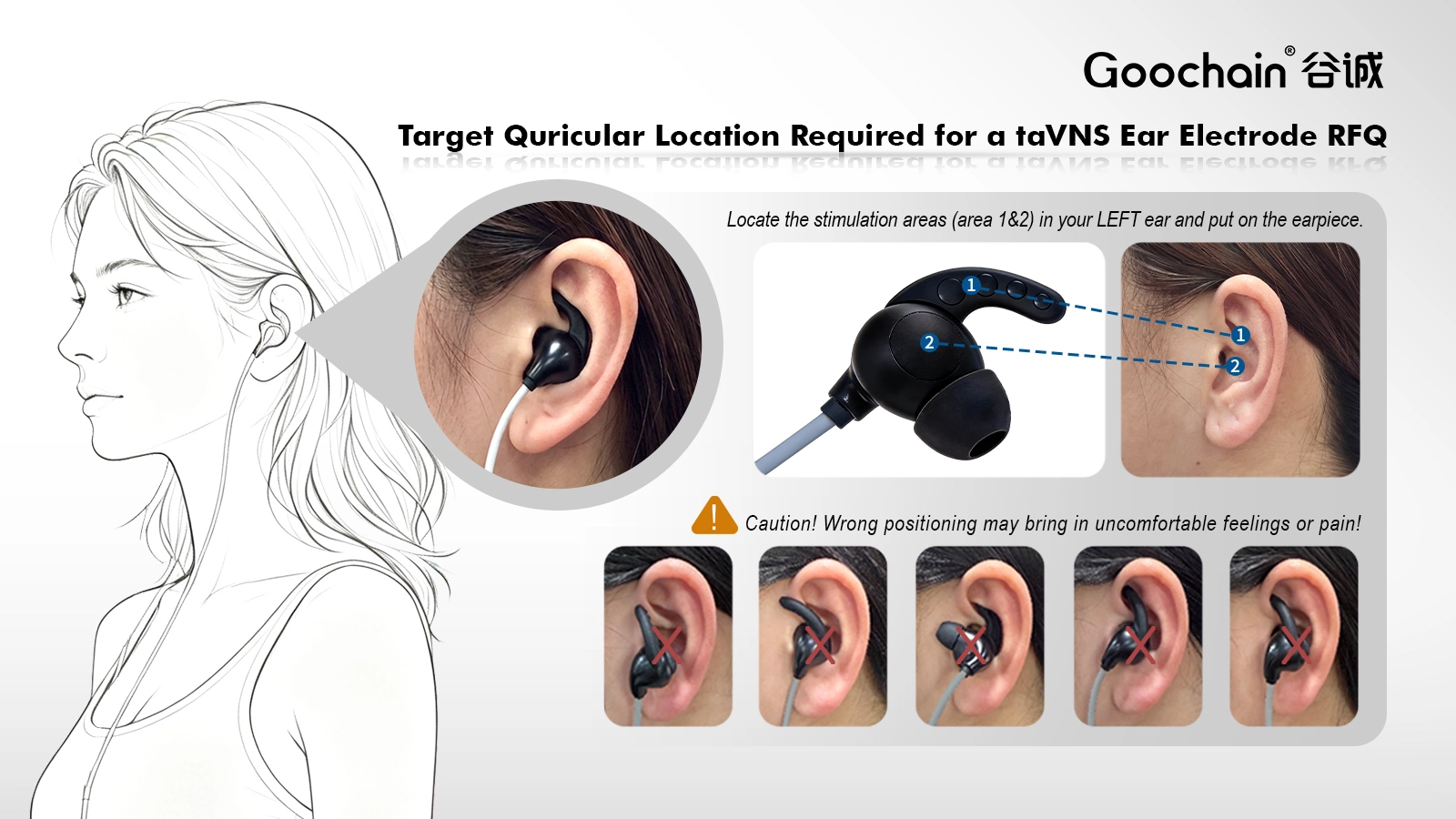
State the target auricular location, such as the tragus, concha or another defined position. Explain whether the product is used on one ear or both, who places it, expected wear time, movement during use, reusable or limited-use expectations, and any user-size range that affects fit.
If the location has not been finalized, say so. A supplier can then treat the first quotation as a development study rather than assuming that an existing ear clip will fit the project.
Send the available drawing, 3D model, dimensional envelope, reference sample or concept sketch. Define the number of contact poles, approximate contact area, pole spacing, allowed overall size, cable exit direction and any retention or anti-rotation requirement.
|
Mechanical Input |
What to Provide |
Why It Matters |
|
Overall envelope |
Drawing, 3D model or maximum dimensions |
Determines whether an existing structure can be used |
|
Contact arrangement |
Number of poles, spacing and target surface |
Affects geometry, molding and device interface |
|
Retention |
Clip concept, pressure distribution and movement expectations |
Influences stability and user-contact evaluation |
|
Cable exit |
Direction, bending space and routing |
Controls torque, strain relief and packaging |
Provide the mating connector or drawing, pinout, polarity, conductor assignment, output range, contact-detection method and any insertion, retention, keying or labeling requirements. Connector appearance alone is not sufficient.
If a USB-C form factor is used, clarify that the electrical assignment is project-specific. The connector shape does not automatically mean USB communication or compatibility with a charger or computer.
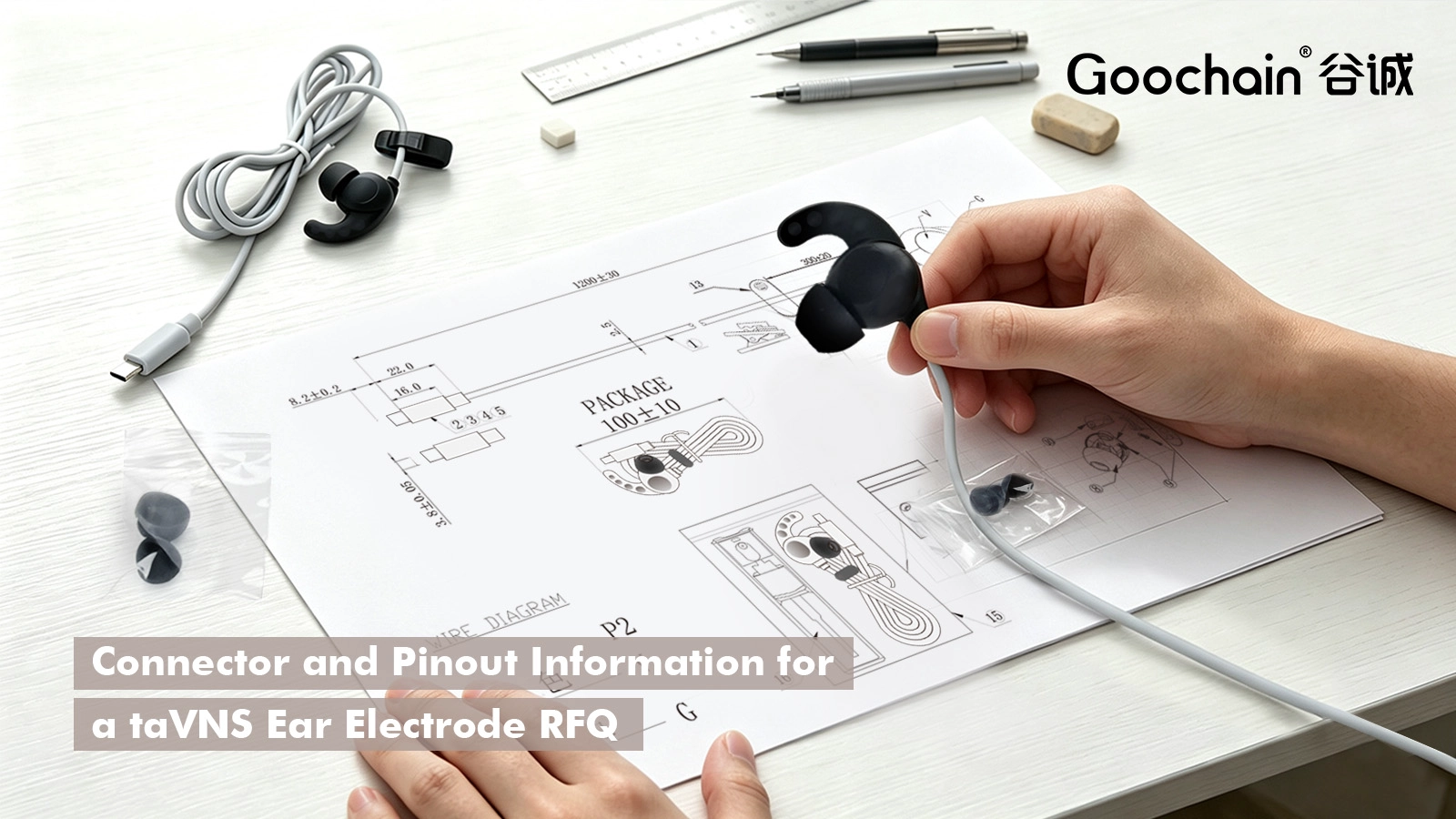
State the cable length, conductor requirements, jacket material or feel, diameter range, color, flexibility, exit direction, flex-life target and how the device is carried. Cable weight and movement can change the position of a small ear electrode.
Also describe storage and packaging. A cable that works during a bench test may behave differently after tight coiling, repeated unpacking or normal user motion.
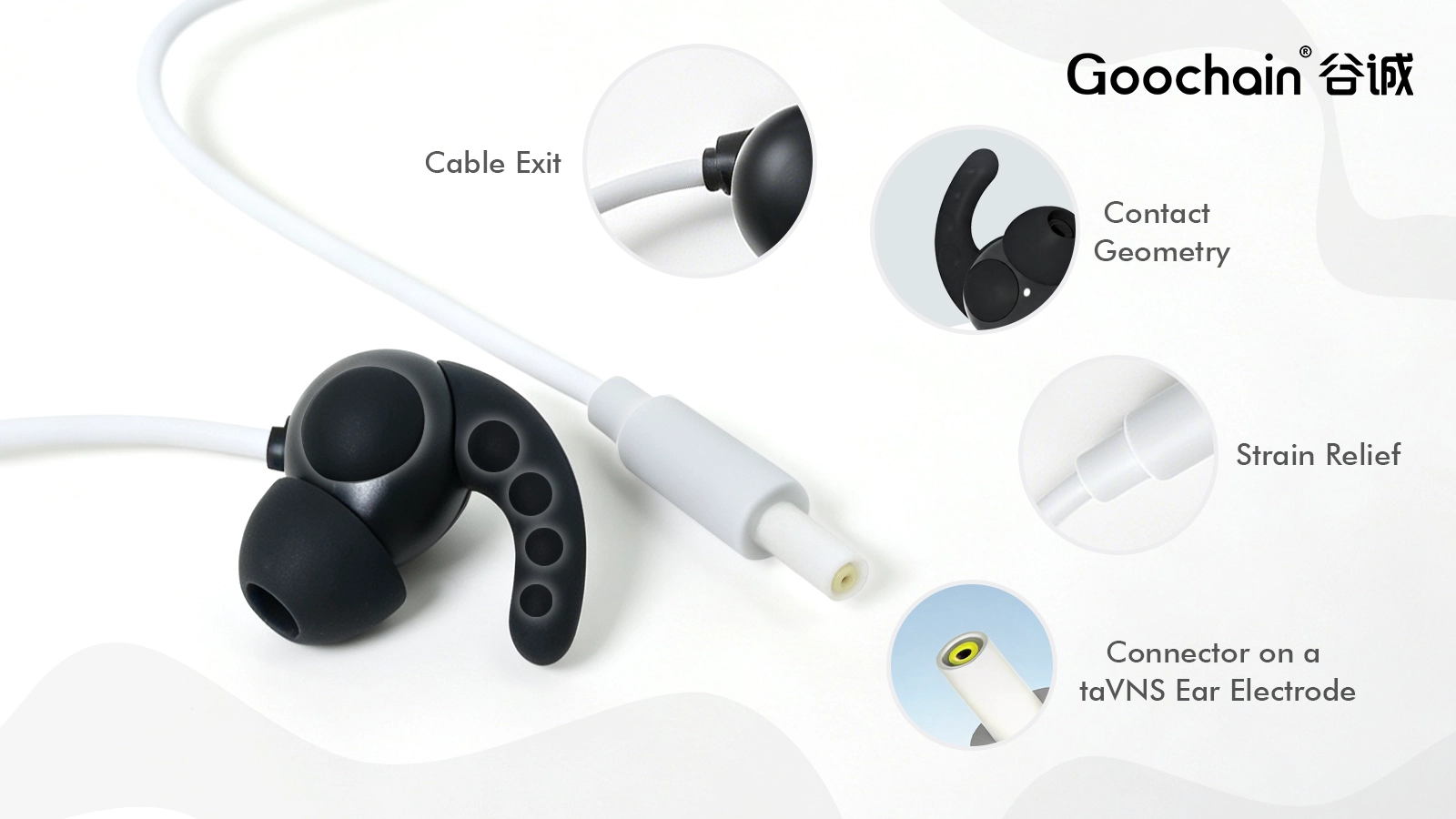
Identify whether conductive silicone or another contact material is required, any color or appearance requirement, allowed cleaning method, exposure to gel or water, expected reuse cycle, storage conditions and replacement expectations. The device manufacturer should define final material and biocompatibility requirements for the intended use.
Explain which documents and checks are required at prototype, pilot and production stages. Depending on the project, this may include drawings, material records, sample approval, dimensions, cable continuity, connector retention, repeated flexing, contact consistency, cleaning exposure, packaging and traceability.
Do not ask the supplier to apply one generic impedance, clip-force or lifecycle limit without a test method and device rationale. Acceptance criteria should come from the project design inputs and risk-management process.
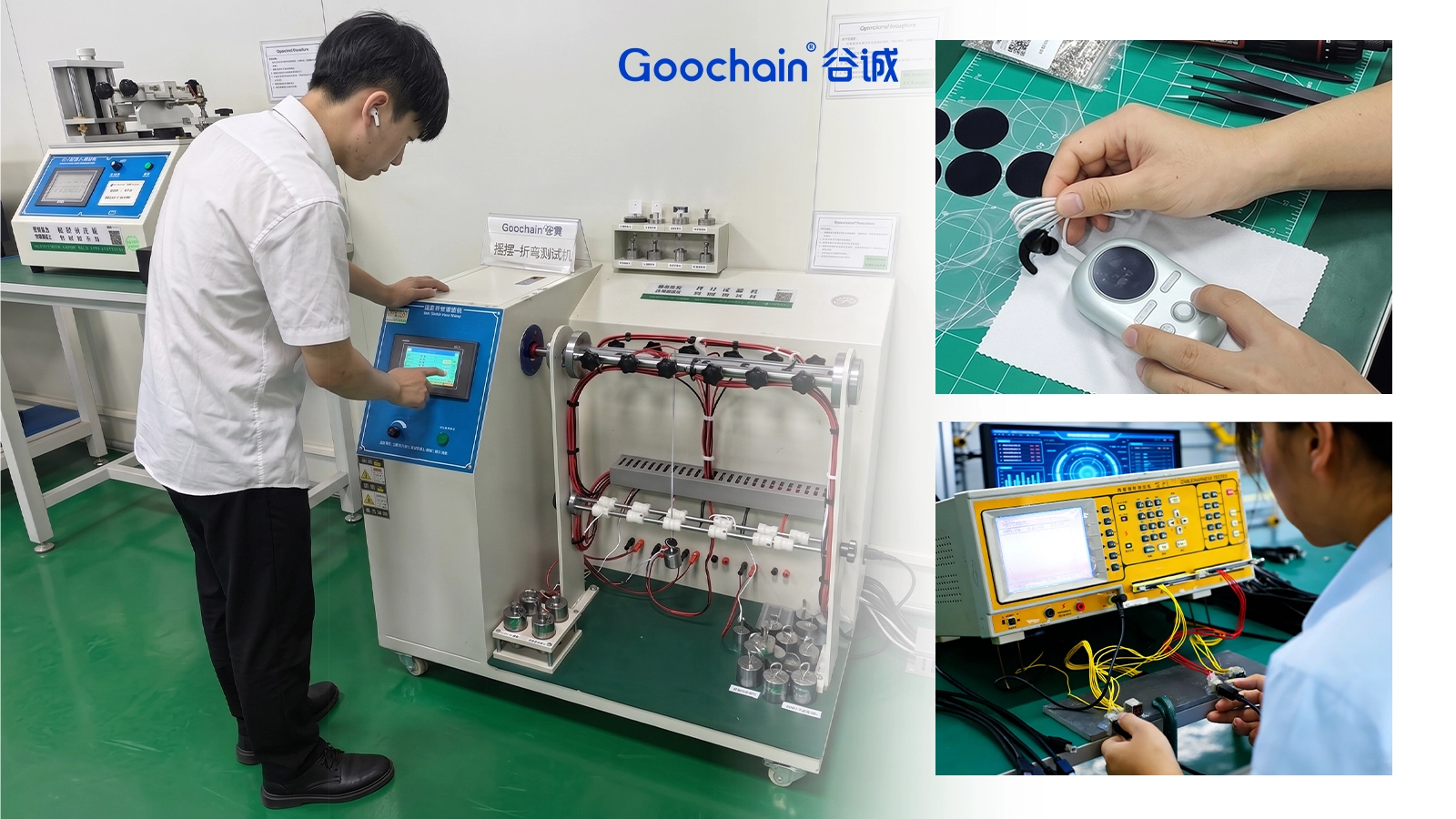
State whether the component is supplied in a simple protective bag, individual retail-ready packaging or a device-brand accessory kit. Provide label fields, barcode or traceability needs, language requirements, target markets and any customer-specific incoming inspection or packaging standard.
Separate prototype quantity, pilot quantity and estimated annual volume. State the target schedule, whether new tooling is acceptable, expected sample stages and the commercial information required in the quotation. If the cost target is fixed, explain which features are mandatory and which can be adjusted.
|
RFQ Section |
Minimum Information |
Useful Attachment |
|
Intended use |
Target ear position, wear time, movement, reuse |
Use scenario or placement image |
|
Mechanical |
Envelope, contacts, retention and cable exit |
Drawing, 3D model or reference sample |
|
Electrical |
Connector, pinout, polarity, output and detection |
Mating connector drawing or interface specification |
|
Cable |
Length, jacket, flexibility, route and flex target |
Cable specification or reference |
|
Material and lifecycle |
Contact material, cleaning, storage and replacement |
Material or cleaning requirement |
|
Quality |
Tests, documents, traceability and target market |
Validation plan or supplier checklist |
|
Packaging |
Pack-out, label, barcode and language |
Packaging artwork or label template |
|
Commercial |
Prototype, pilot, annual volume and schedule |
Forecast or project timeline |
Goochain reviews the contact arrangement, mechanical form, cable construction, strain relief, connector, molding and assembly route as one accessory system. The quotation can then identify which elements use an existing platform, which are configurable and which require engineering or tooling.
A clear RFQ saves more time than requesting several loosely defined samples. The best starting package combines the target ear position, mechanical definition, electrical interface, cable system, lifecycle, quality needs, packaging and realistic prototype and production volumes.
|
Send Goochain Your taVNS Ear Electrode RFQ Share your target ear position, drawing or envelope, connector and pinout, output parameters, cable requirements, prototype quantity, annual volume, target market and validation-document needs. |


 English
 简体中文
简体中文  Deutsche
  Italian
  français
  Español
  Nederlands
  日本語
日本語  한국어
한국어  عربى
عربى  português
  Türk
Türk 

