

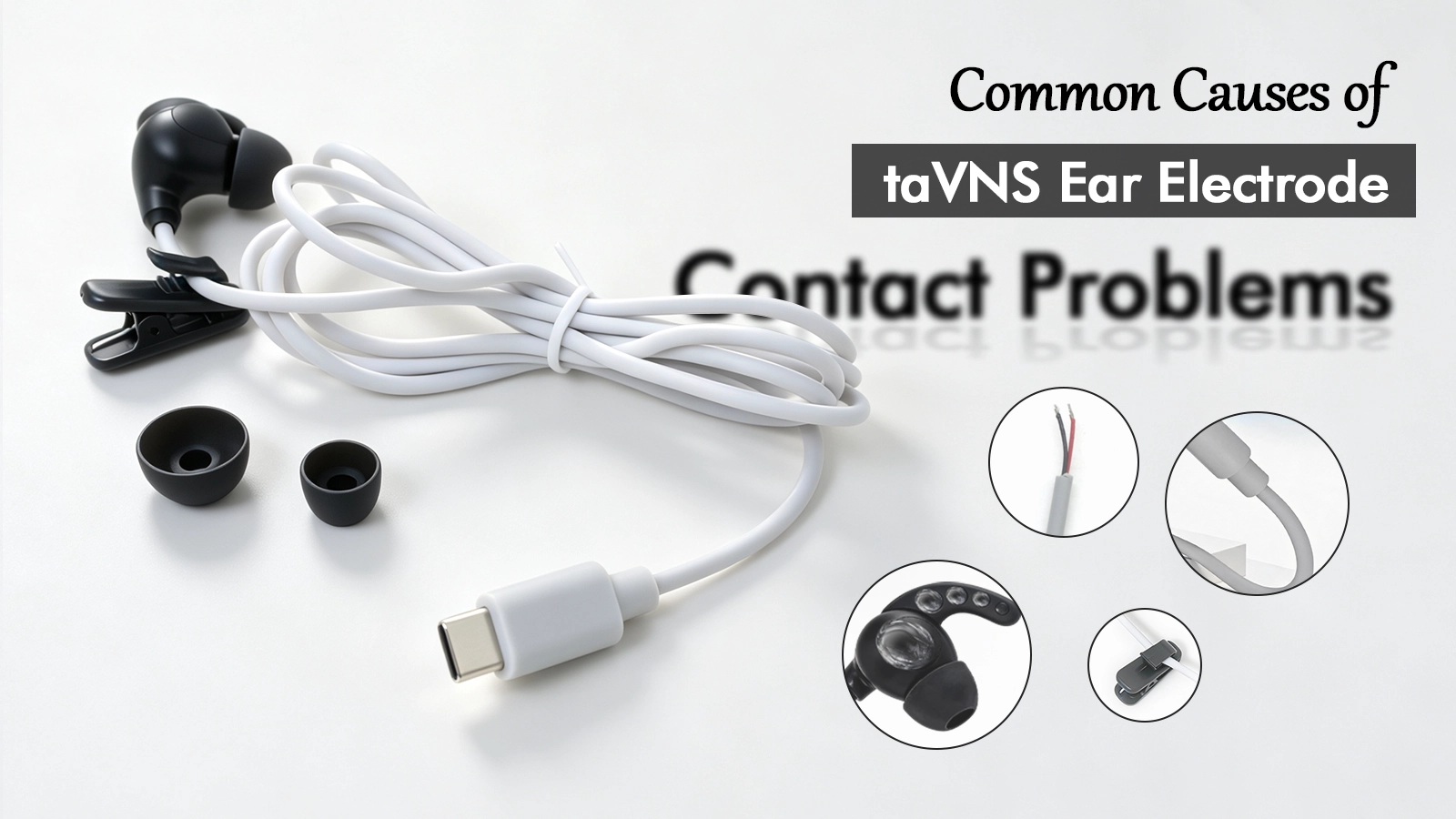
Intermittent contact in a taVNS ear electrode is often described as an electrode problem, but the root cause is rarely one component in isolation. The ear, contact surface, clip or earpiece, cable, connector, device detection method, cleaning state and user setup all form one system.
The useful question is not simply which conductive material should be used. It is which condition breaks the contact path, and what design or instruction controls that condition. A structured diagnosis can prevent teams from increasing clip force, adding gel or changing materials without understanding the actual failure mode.
An electrical open may come from a conductor, termination or connector. A mechanical contact loss may happen when the electrode rotates, lifts, slides or touches only a small part of the intended area. Surface contamination or dryness may change the skin interface even when the clip does not visibly move.
Separate these categories early. Otherwise, a team may modify the ear clip while the actual issue is a damaged cable, or redesign a cable when user placement is the main source of variation.
|
Root Cause |
What May Happen |
Design or Test Response |
|
Anatomical variation |
The contact lands differently across users or only works at one angle. |
Evaluate representative anatomy and placement tolerance. |
|
Insufficient retention |
The electrode lifts or rotates during movement. |
Review geometry, pressure distribution and cable route. |
|
Excessive pressure |
The contact is stable but becomes uncomfortable or is repositioned. |
Distribute load instead of simply increasing force. |
|
Cable pull or torque |
Head, clothing or device movement changes electrode orientation. |
Reduce cable load and optimize exit direction and strain relief. |
|
Surface condition |
Oil, residue, dryness or cleaning-agent film changes the interface. |
Define cleaning and any approved gel or wetting medium. |
|
Cable or termination fatigue |
Contact drops when the cable bends or is touched. |
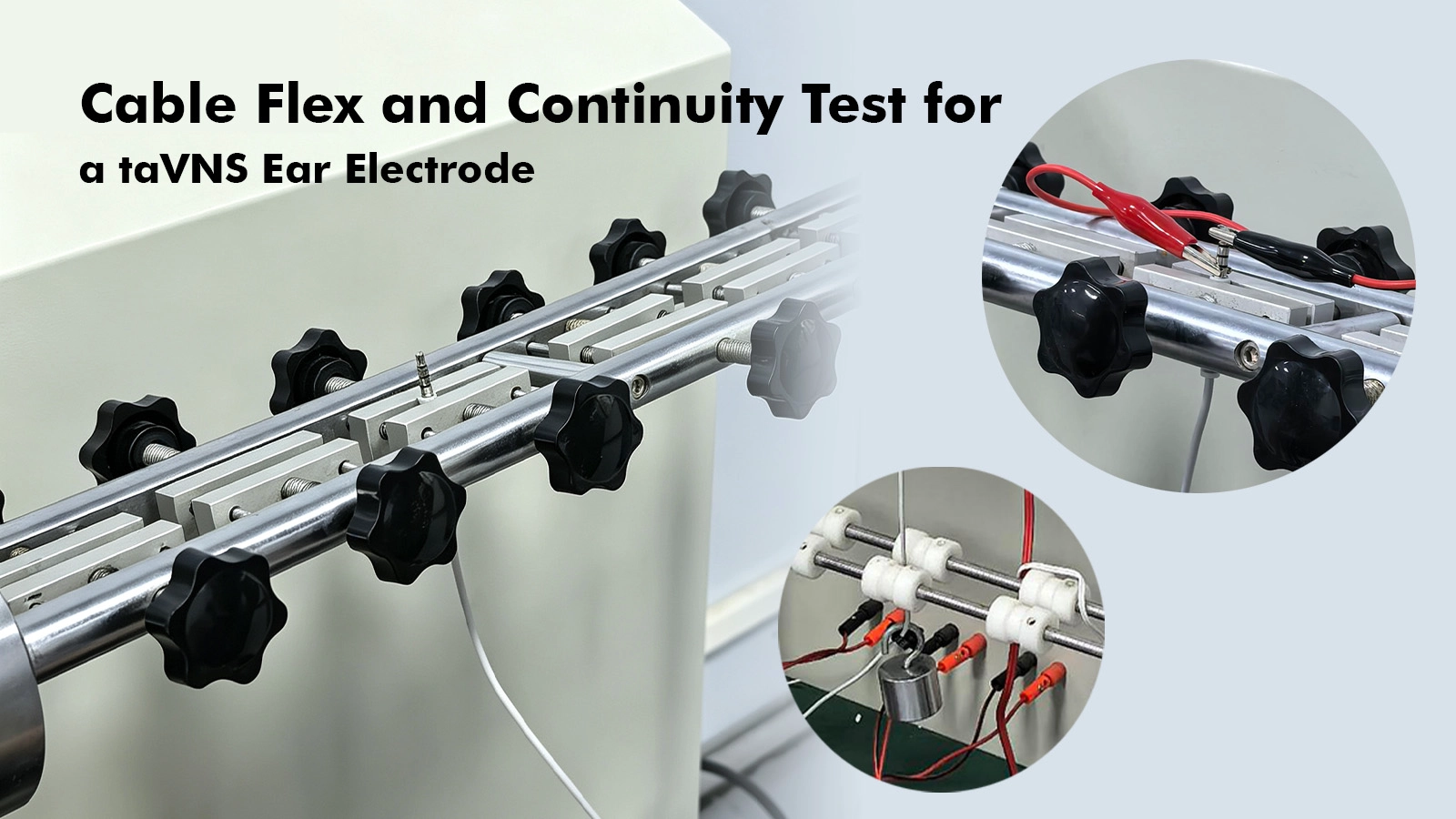
Run continuity while flexing and inspect the transition. |
|
Connector mismatch or wear |
Intermittency occurs at the device rather than the ear. |
Confirm mating interface, pinout, retention and cycle expectations. |
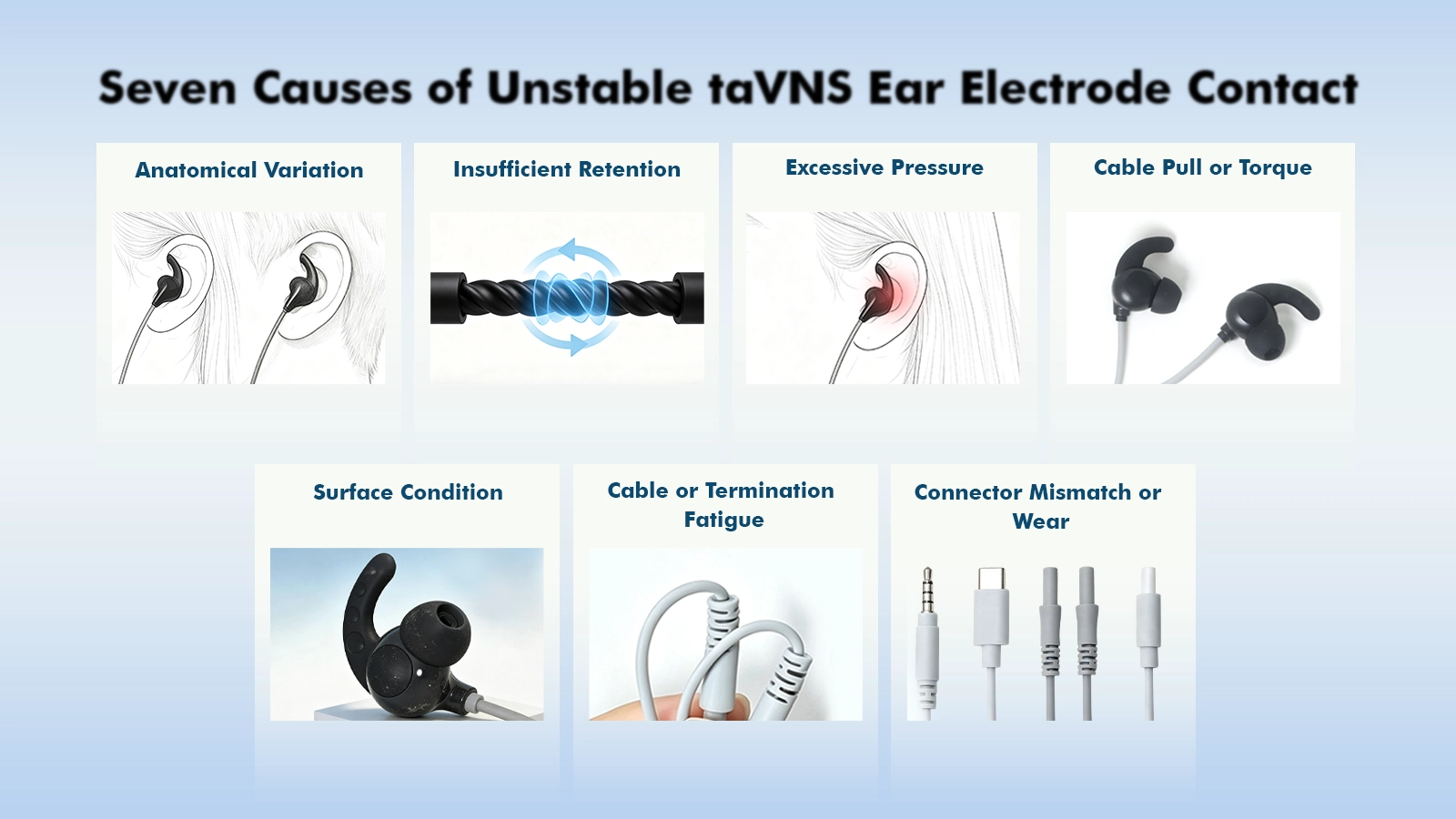
More force can improve initial contact in a fixture, but it may also increase localized pressure, make placement harder, deform soft tissue or cause the user to remove or reposition the electrode. The relevant target is stable and repeatable contact within an acceptable user-contact range, not the maximum force the clip can generate.
Geometry can be as important as force. A contact surface that conforms better, an anti-rotation feature, a different pivot location or a cable exit that reduces torque may improve stability without a large increase in pressure.
When a contact fault appears only while the user turns their head, adjusts clothing or handles the device, the cable system deserves attention. Observe the product in motion. Does the cable hang from the electrode? Does it cross a sharp angle? Does the strain relief transfer load smoothly, or does bending concentrate at one point?
A useful bench check monitors continuity and device contact behavior while the cable is moved through representative directions. This can distinguish a conductor or termination issue from a skin-interface issue and make the failure reproducible.
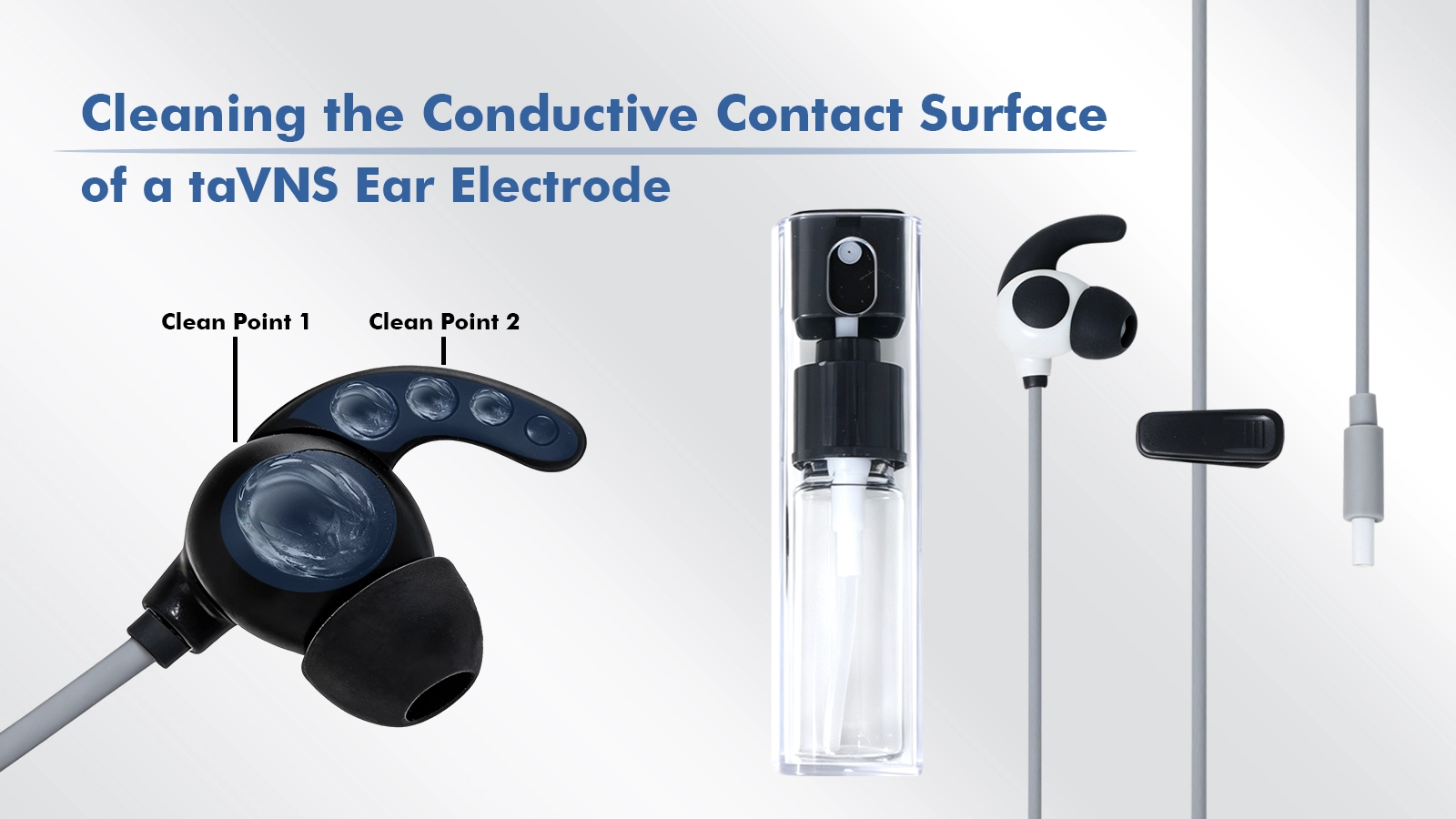
Skin oils, cosmetics, dry skin, conductive gel residue and cleaning agents can all change the interface. If the product requires cleaning or a wetting medium, the instructions should specify what is approved, how much is used, how it is removed and when the accessory should be replaced.
For a reusable conductive silicone contact, evaluate the surface after repeated cleaning and handling. Look for residue, swelling, discoloration, surface damage, loss of retention or changes at the cable transition.
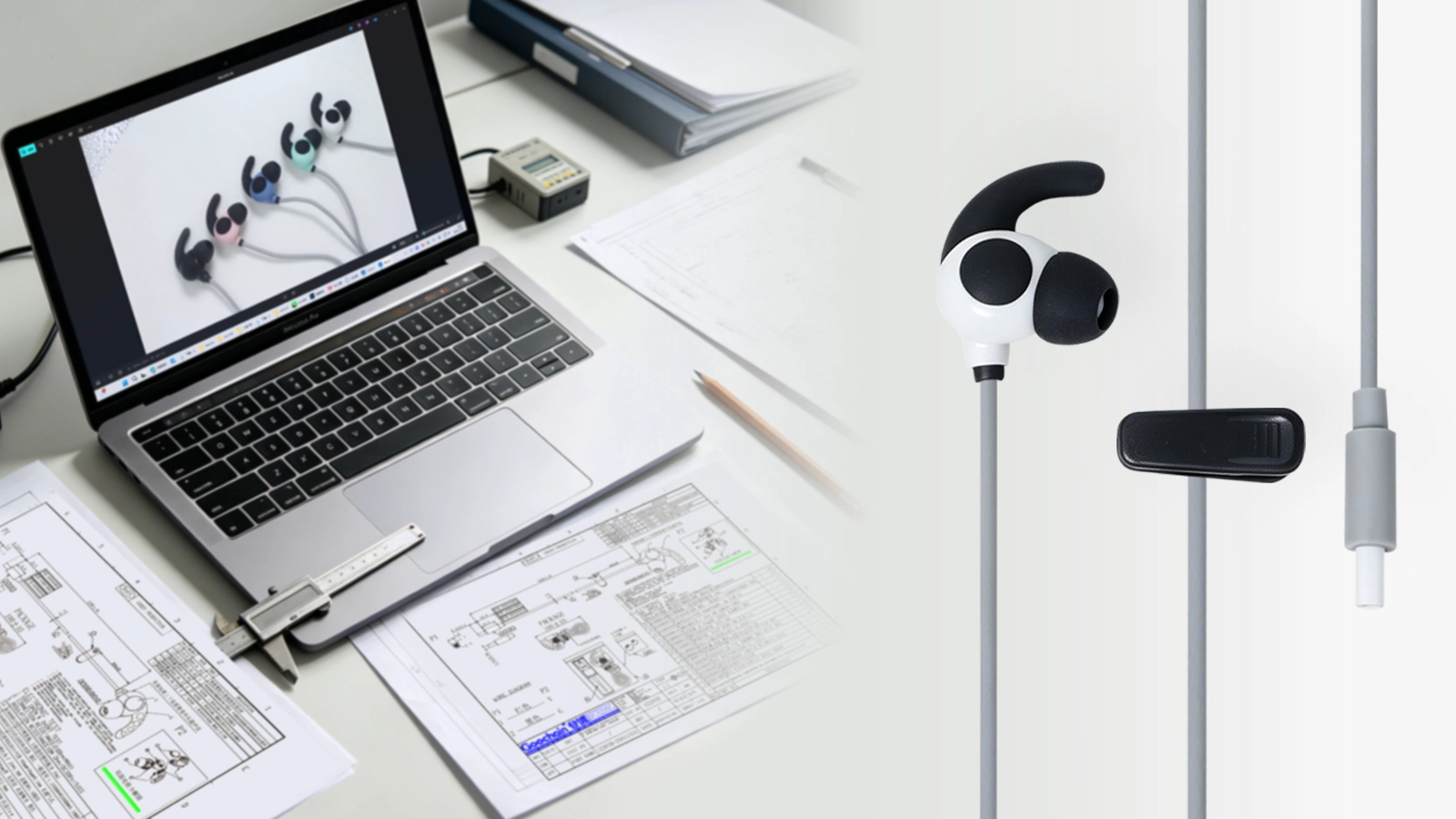
A useful supplier review needs more than a photo of a competitor product. Share the target ear position, mechanical envelope, current failure description, device connector and pinout, output or contact-detection behavior, cable route, user group, wear duration, cleaning method, prototype quantity and target volume.
Unstable skin contact is usually not fixed by one material change. It is reduced by identifying whether the failure is anatomical, mechanical, electrical, surface-related or user-related, then controlling the relevant variables. Product teams that evaluate contact, fit, cable load and interface behavior together have a clearer path from a promising prototype to a repeatable accessory.
|
Request a Design-for-Contact Review If your taVNS ear electrode shows intermittent contact, cable-related faults or inconsistent fit, share the device interface and failure scenario with Goochain for an initial engineering review. |


 English
 简体中文
简体中文  Deutsche
  Italian
  français
  Español
  Nederlands
  日本語
日本語  한국어
한국어  عربى
عربى  português
  Türk
Türk 

