
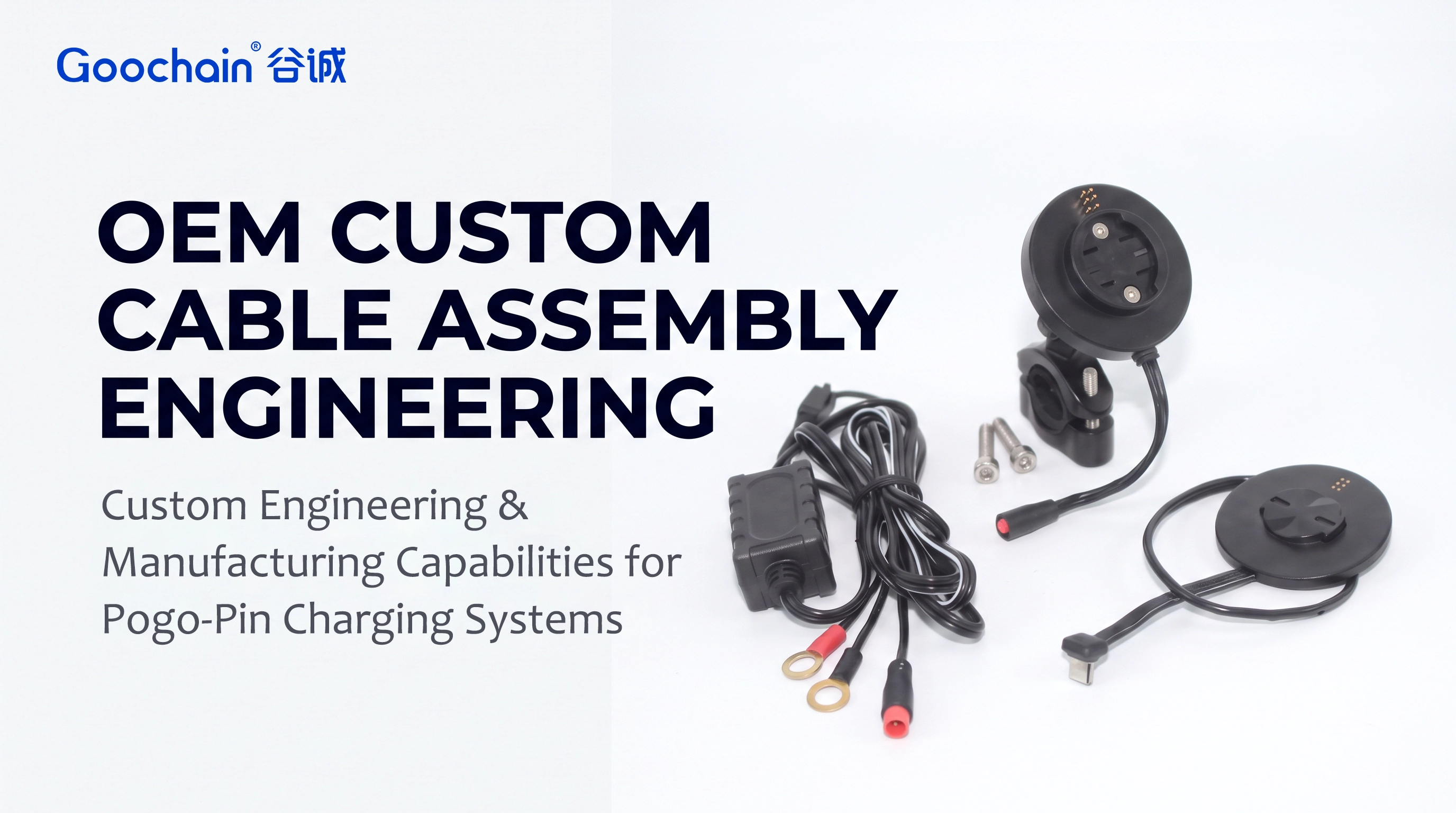
An OEM pogo pin phone mount project starts with a defined installation, not just a reference photo. The phone, case, handlebar clamp, electrical supply and docking interface interact. A change to one part can affect adapter position, cable clearance or the assembly that needs to be tested.
Use a requirement sheet to separate the reference design, the requested changes and the acceptance criteria. That gives the engineering review and quotation a common scope.
List the intended phone models and cases. Provide photographs or drawings showing the rear surface, camera projection, USB-C port and available adapter area. State whether the adapter is expected to remain attached to the phone during daily use.
A screen-size range is not enough to define fit. Two phones with a similar screen size can place the port, camera and case edges differently. Review the short cable length and plug orientation with the actual device, particularly where the adapter exits near a case lip.
Record the clamping diameter, available mounting length and nearby controls. Include the intended viewing position and release access. If the reference uses a particular clamp or adjustment joint, identify whether it is retained or needs redesign.
Treat retention and vibration isolation as separate requirements. Define the operating conditions and any test evidence required by the project rather than using a general shake-proof claim.
| Requirement | Information to provide |
|---|---|
| Power input | Supply type, nominal voltage, operating range and wiring connection |
| Phone charging | Target phones, required operating profile and any protocol requirement |
| Contacts | Contact count, pin assignment, polarity and mating orientation |
| Cables | Lengths, routing, exit direction, connector type and strain-relief space |
| Supply scope | Docking head, clamp, adapter, harness and selected accessories |
| Verification | Test conditions, acceptance criteria and configuration identification |
Document the pinout rather than assigning functions from contact count. State any requirement for USB Power Delivery or data transmission explicitly, then review the circuit and complete connection path.
Use the reference pogo pin charging phone mount to define the docking and adapter arrangement. Mark required changes to cable routing, connector termination or the installation envelope on the drawing.
A request for custom pin spacing, another clamp or a different adapter housing should enter an engineering review. Confirm feasibility, tooling, sample scope and commercial terms before describing the change as an available standard option.
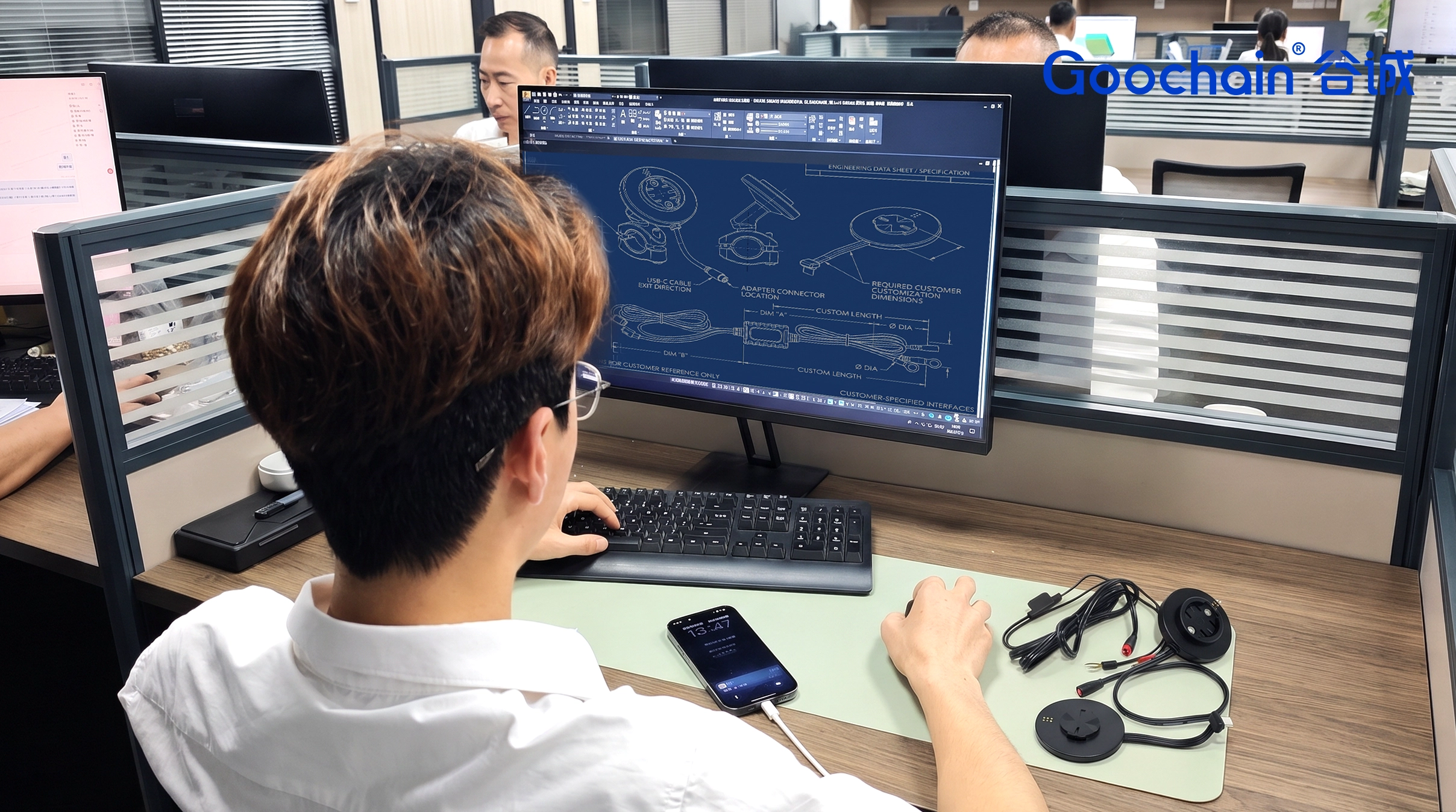
Use the agreed phone, case, harness and power source during evaluation. Check docking engagement, release access, plug clearance and cable routing. Define how charging performance will be recorded under the operating conditions relevant to the project.
If the product brief includes ingress protection, repeated docking, vibration or environmental exposure, agree on the method and pass criteria before testing. Identify the sample revision and supplied configuration with the result. Component specifications alone should not be presented as qualification of the complete mount.
For background on manufacturing support, see Goochain’s factory and quality information. The project inspection plan should still state what will be checked on the actual ordered assembly.
Provide the quantity, packaging requirements and required documents. Ask the quotation to separate standard supply, development, applicable tooling, sample work and production pricing. Confirm whether the phone-side adapter and input harness are included, so purchasing and engineering compare the same kit.
Send the requirement sheet to Goochain for project review. With the installation and supply scope defined, the next step can be a quotation and sample plan tied to a specific assembly.


 English
 简体中文
 Deutsche
 Italian
 français
 Español
 Nederlands
 日本語
 한국어
 عربى
 português
 Türk


