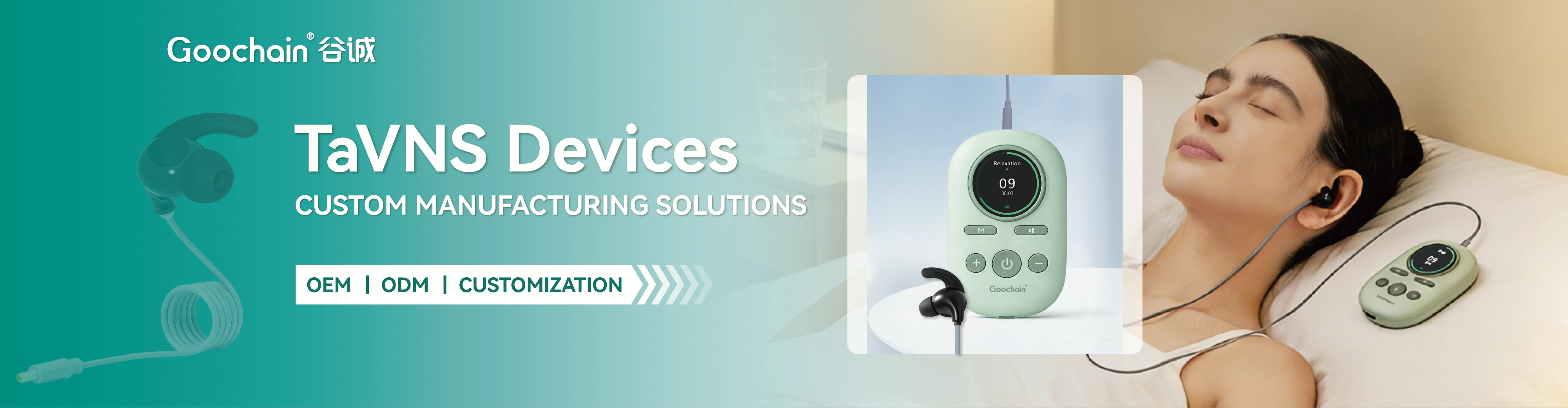

Our 3.5mm Audio Male to taVNS Vagus Nerve Ear Clip Electrode is a high-quality, medical-grade device designed for safe and effective transcutaneous auricular vagus nerve stimulation. It is ideal for clinics, research institutions, and healthcare professionals seeking non-invasive solutions to relieve anxiety, reduce stress, and improve sleep quality.
Our DB9 Female to RJ50 10P10C Male Cable is a high-performance connection solution designed to link serial RS-232 devices to RJ50-based communication ports. As an ISO9001 certified factory with in-house R&D capabilities, we provide fully customizable cable assemblies tailored to your specific application requirements. This cable ensures stable data transmission in industrial automation, medical devices, and communication systems, with options for custom length, pinout, shielding, and labeling.
This reusable silicone ear clip electrode is designed for auricular stimulation devices and related ear-mounted applications. It features a soft contact structure, comfortable fit, and customizable cable or connector options for projects that prioritize reusable performance and user comfort.
This medical auricular ear electrode is designed for neurostimulation, therapy equipment, and rehabilitation device applications. It supports stable conductive connection and flexible customization for cable specification, connector type, and project-based accessory development.
This OEM custom ear clip electrode page is designed for B2B buyers who need tailored product development rather than a standard off-the-shelf model. It supports custom structure, connector, cable assembly, logo, and packaging requirements for ear electrode and device accessory projects.
This reusable taVNS ear clip electrode is designed for vagus nerve stimulation devices, tVNS systems, and auricular neurostimulation applications. It offers stable conductive contact, a practical ear clip structure, and customization options for cable length, connector type, and OEM packaging.
The DC 2.35mm Male to taVNS Ear Electrode Cable is specifically designed for transcutaneous auricular vagus nerve stimulation (taVNS) therapy devices. This cable integrates comfortable ear clip electrodes, a lead clip for cable fixation, and a spray bottle for conductive solution, providing stable electrical stimulation and improved therapy performance.
The DC 2.35mm to Dual 2.0mm Electrode Pin Medical Cable is designed for TENS, EMS, and physiotherapy equipment used in rehabilitation and electrotherapy applications. This medical lead wire features a 2.35mm DC plug to dual 2.0mm electrode pin connectors, providing stable signal and power transmission between the electrotherapy device and electrode pads. The cable includes three adjustable sliders for easy cable management, helping users keep the lead wires organized during therapy sessions. Manufactured using medical-grade materials, the cable ensures durability, flexibility, and patient safety
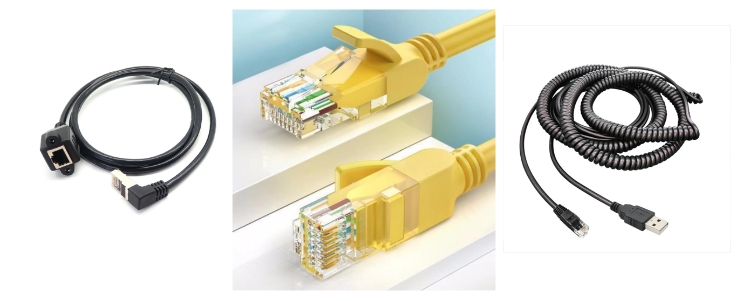
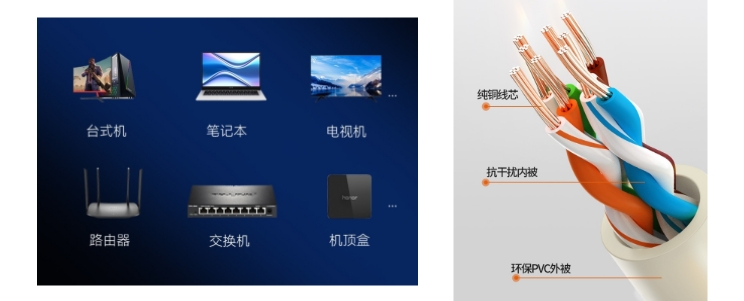
RJ45 network cable is a type of cable used to connect computers and network equipment. It is composed of three parts: a copper core (cable), a shielding layer (transport), and an outer layer (extension), usually with 8 contacts to transmit signals, commonly known as 8P8C
![]()
RJ45 cables can be widely used in different scenarios through customized connectors:
![]()
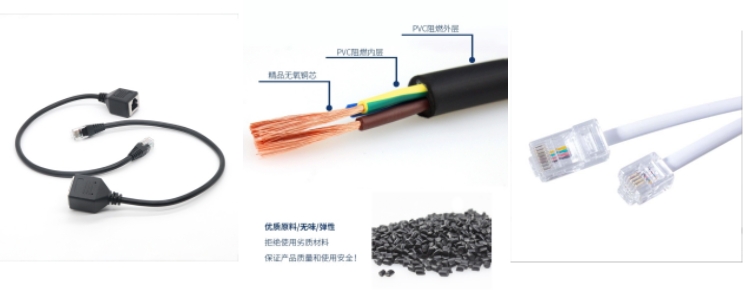
RJ12 telephone cables are mostly used for broadband communication, telephone switches, and other equipment. They generally have 6 contacts to transmit signals (6P6C), and the wire diameter is relatively thick, usually copper core or aluminum core; The wire diameter is generally 15 μ Above m, up to a maximum of 30 μ M; The core wire structure of RJ12 telephone line is usually oxygen free copper, it has high requirements for the quality of the line. Therefore, Goochain Electronic Technology will conduct strict testing on it to ensure its line quality.
![]()
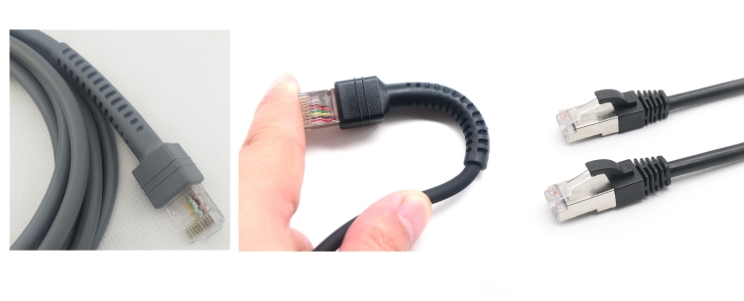
The RJ50 connection cable is a cost-effective serial communication cable mainly used for data and telecommunications that require more wires. It has 10 contacts to transmit signals, hence the name 10P10C.
![]()
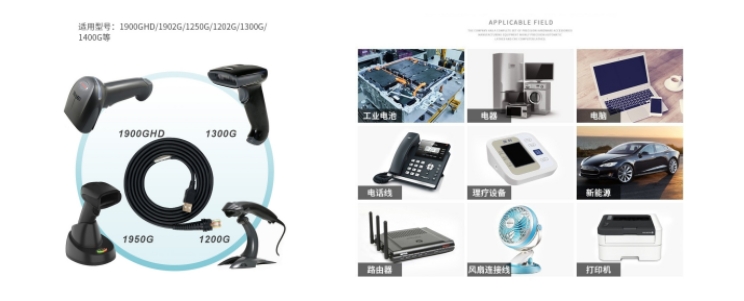
Data transmission: You can use the keyboard and camera of your phone to scan barcodes, or you can send data from your phone to your computer for processing
![]()