
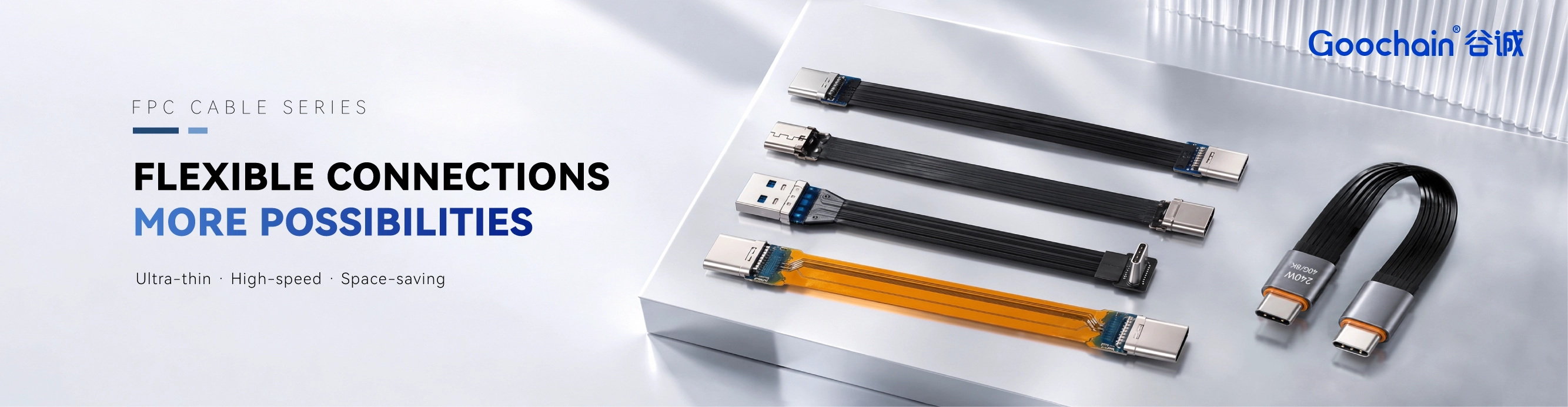


In many hardware projects, USB connectivity is treated as a small detail—until it becomes a bottleneck. For engineers, project managers, and product owners working on compact devices, cable selection can directly affect layout feasibility, assembly efficiency, and long-term reliability.
This is especially true when space is limited. In such cases, the FPC ribbon USB cable often becomes the most practical solution.
When Standard USB Cables Stop Working
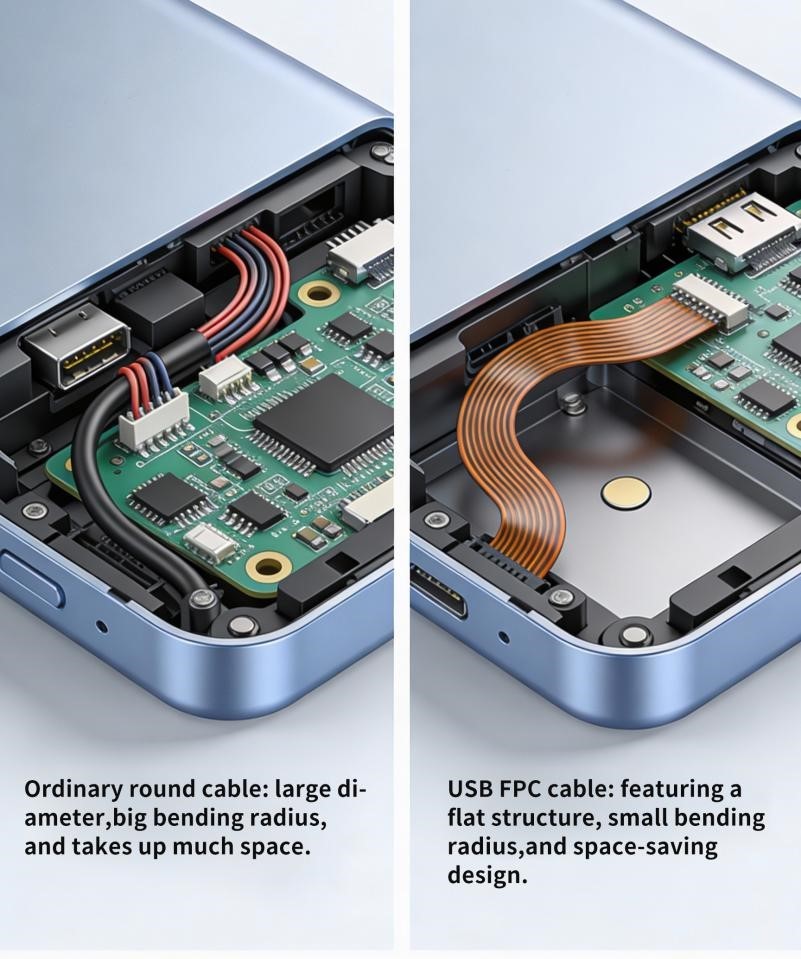
In early design stages, traditional round USB cables may seem acceptable. However, as projects move closer to production, common issues begin to surface:
These challenges are common in tablet enclosures, POS terminals, and embedded USB Type-C designs, where internal layouts are fixed and repeated at scale.
For project managers and decision-makers, these issues often translate into delays, redesigns, or higher production costs
Why Engineers Prefer FPC Ribbon USB Cables
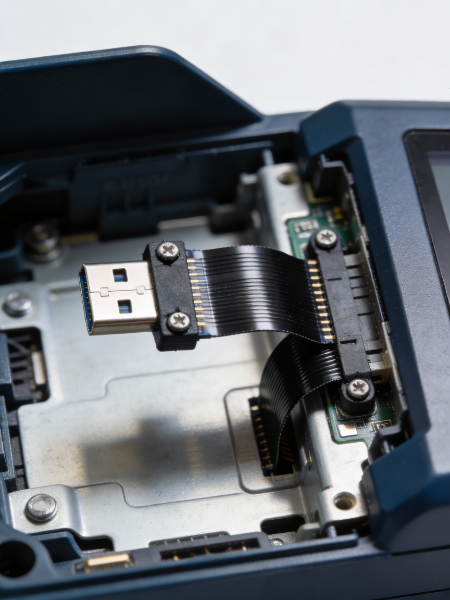
An FPC ribbon USB cable replaces round copper wires with a flexible printed circuit structure. This change is not just about thickness—it fundamentally alters how the cable behaves inside a device.
From an engineering perspective, FPC ribbon cables offer:
For teams designing products intended for mass production, these characteristics reduce variability and improve assembly consistency.
USB 3.1 Type-C FPC Ribbon Cable in Real Projects
A USB 3.1 Type-C FPC ribbon cable is commonly selected when both performance and layout constraints must be balanced.
Typical project scenarios include:
In these applications, data rate is only one factor. Signal stability, connector orientation, and mechanical reliability are often equally important.
Key Design Factors Engineers Should Evaluate
Not every FPC ribbon USB cable is suitable for every project. During design review or sourcing, engineering teams usually evaluate:
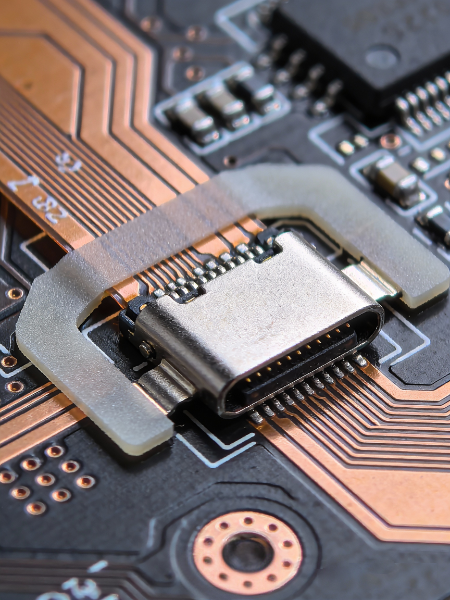
For USB Type-C FPC ribbon cables, pin layout and impedance control are critical to maintaining stable performance in compact assemblies.
Project-Level Benefits for Managers and Decision Makers
From a project management or business perspective, selecting the right cable solution early offers clear advantages:
For product owners and company leaders, these benefits help control time-to-market, cost, and product quality—especially in competitive hardware markets.
Custom FPC Ribbon USB Cable Development in Practice
Many projects require cable designs that fit precisely within an enclosure or mechanical structure. As a manufacturer with engineering support, we work with customers to develop custom FPC ribbon USB cables based on real project constraints.
Customization typically focuses on:
This approach helps engineering teams avoid compromises and ensures the cable supports the overall product design rather than limiting it.
When an FPC Ribbon USB Cable Makes Sense
An FPC ribbon USB cable is often the right choice when:
For many POS, tablet, and embedded system projects, FPC ribbon cables have become a standard design element rather than a special option.
Closing Thoughts
Cable selection may seem minor, but in compact electronic products it plays a critical role in performance and manufacturability. For engineers, project managers, and business owners, choosing the right FPC ribbon USB cable can reduce risk, simplify design, and support scalable production.
If your project involves USB 3.1 Type-C connections in a constrained space, evaluating an FPC ribbon solution early can save significant effort later.


 English
 简体中文
简体中文  Deutsche
  Italian
  français
  Español
  Nederlands
  日本語
日本語  한국어
한국어  عربى
عربى  português
  Türk
Türk 

